Correct Foundation Settlement
Foundation Raising in Vail, Arizona
Find out whether lifting is appropriate for your settled foundation. Get a Free Estimate
Correct Foundation Settlement
Find out whether lifting is appropriate for your settled foundation. Get a Free Estimate
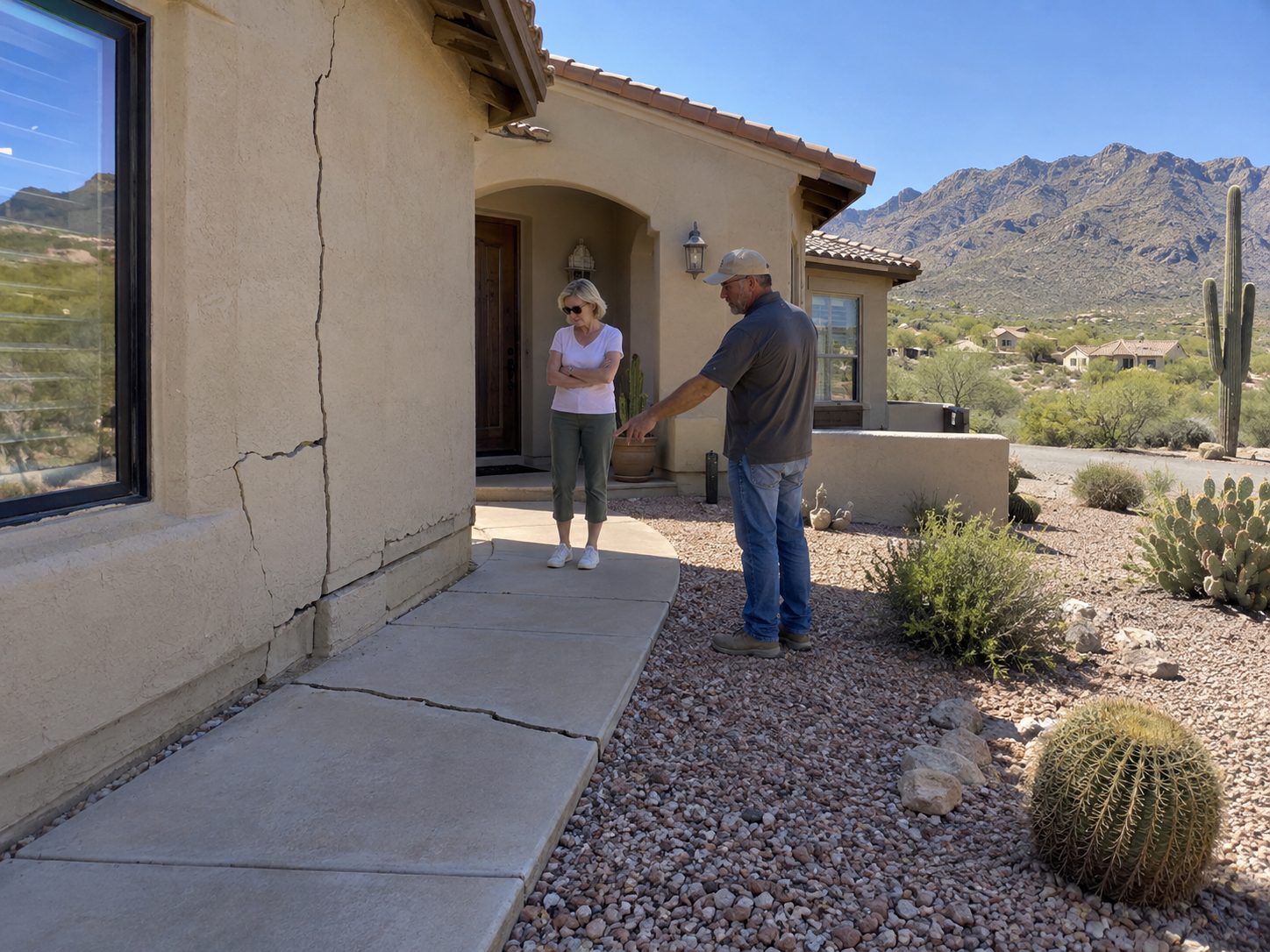
When a foundation has settled, homeowners often want to know whether it can simply be lifted back into place. In some cases, controlled foundation raising can improve elevation and reduce certain alignment problems. In others, the safest or most practical objective may be stabilization rather than attempting to recover all past movement.
Foundation raising should be planned around the condition of the entire structure. Framing, finishes, plumbing, masonry, windows, doors, and other building components have often adapted to the settled position over time. Raising one area can change stresses elsewhere, which is why the amount and pace of lift matter. We evaluate the structure and explain what level of correction appears reasonable before work begins.
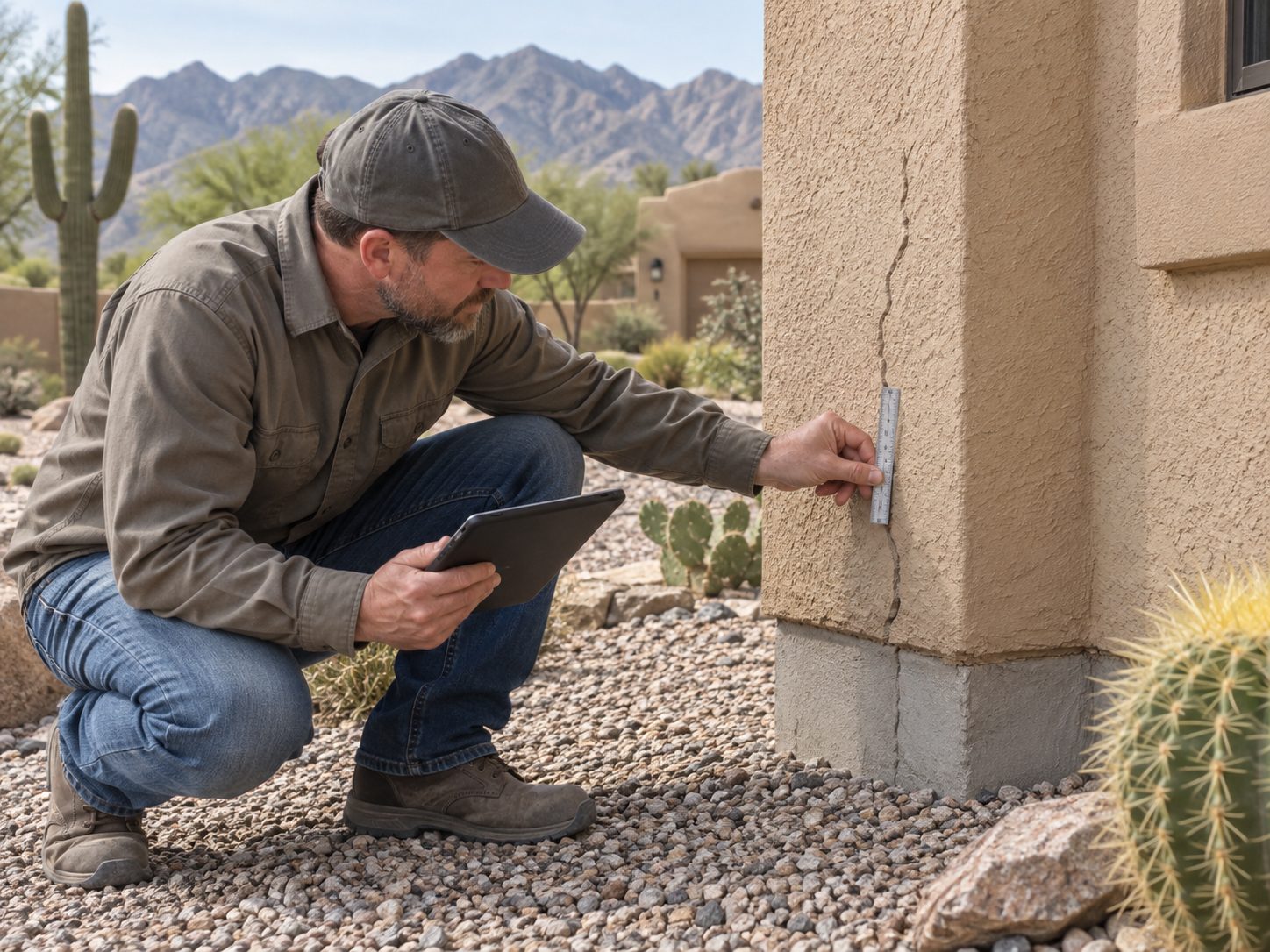
Raising is generally considered when a portion of the foundation has moved downward enough to create meaningful elevation differences and when the structure can tolerate corrective movement. The goal is not to promise that an older home will become perfectly level. Instead, the plan focuses on improving the affected area while protecting the building from unnecessary stress.
A defined area of settlement may sometimes be lifted as part of a stabilization project. We compare the affected section with surrounding portions of the home before planning the correction.
Floor slope can be one sign of foundation movement, but it may also involve framing or other construction conditions. We evaluate the foundation first to determine whether raising is likely to improve the problem.
Openings that shifted as the foundation settled may improve during controlled lifting, although finishes and framing do not always return completely to their original position.
Some cracks can close, change, or become more noticeable as elevations are adjusted. We discuss these possibilities so homeowners know that structural correction and cosmetic restoration are separate parts of the process.
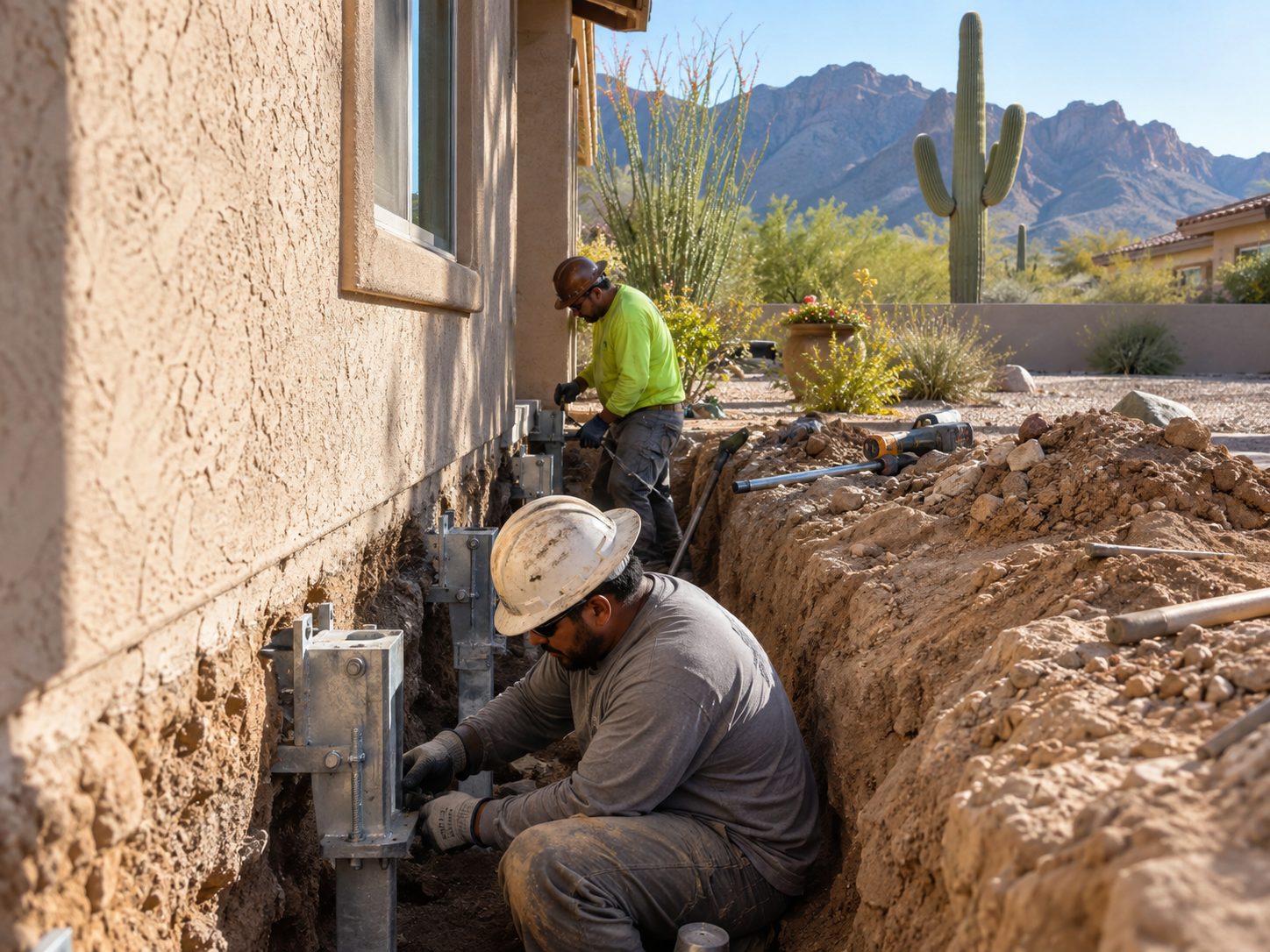
A repair plan may combine support with a measured amount of lifting. The appropriate balance depends on structural condition, movement history, access, and how the home responds during the work.
| Service | Estimated Cost | Average |
|---|---|---|
| Limited raising and stabilization | $4,000-$10,000 | $6,500 |
| Moderate foundation raising | $8,000-$20,000 | $13,000 |
| Extensive raising project | $15,000-$35,000+ | $22,000 |
These broad ranges are for planning only. Actual cost varies with the amount of settlement, support method, number of repair points, access, structural condition, and desired lift.
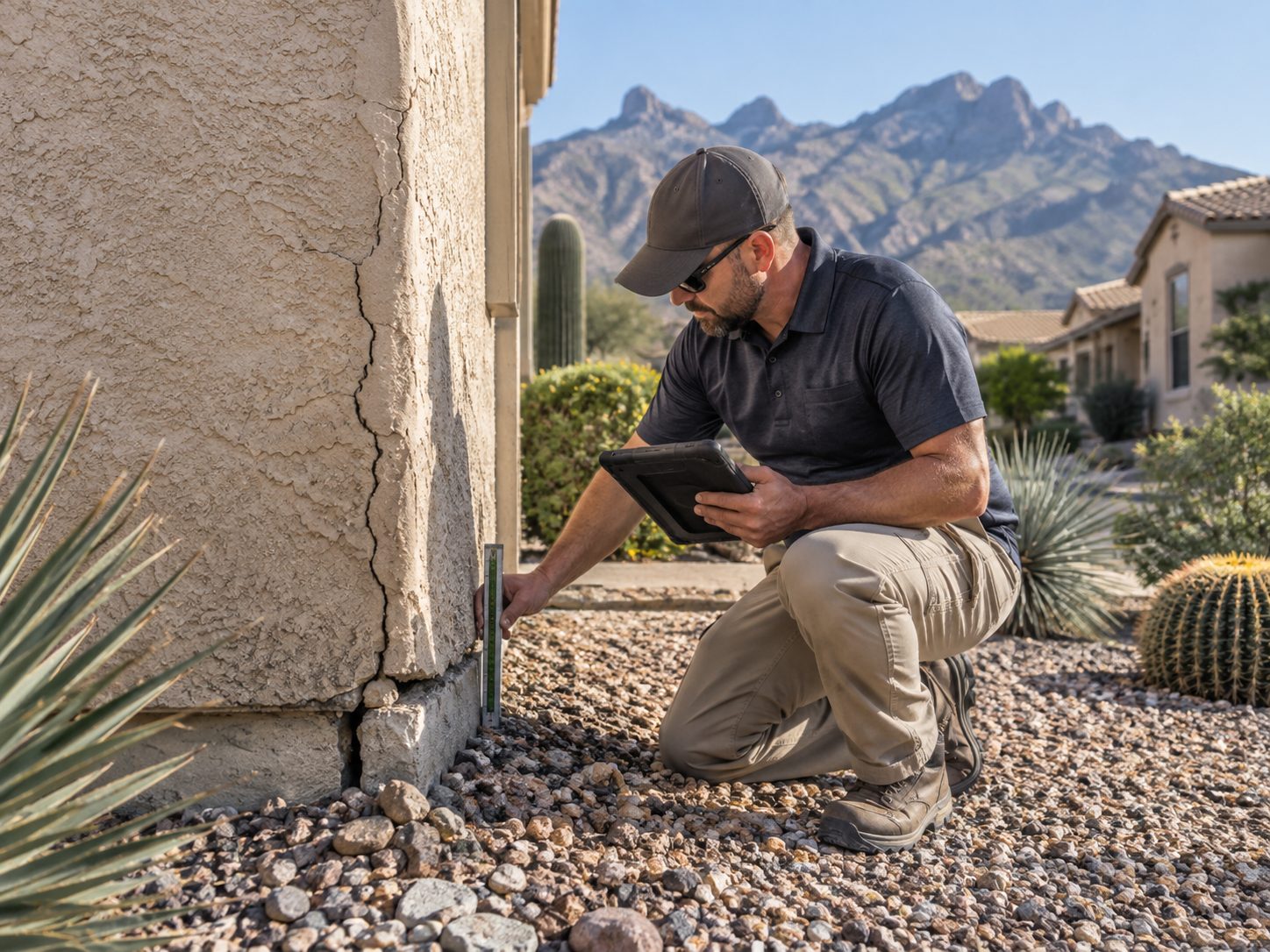
Foundation lifting should be deliberate. We focus on measured movement rather than chasing a perfect elevation at the expense of the structure.
We explain whether the project is focused on stabilization, elevation recovery, or a combination of both.
We consider how raising can affect walls, finishes, doors, windows, plumbing, and other parts of the home.
A structure that has settled over time may not return exactly to its original condition, and we discuss those limitations before work starts.
If part of your home appears lower than it used to be, ask whether controlled foundation raising may help.
Free — no obligations
We identify the settled area and review visible symptoms throughout the affected portion of the home.
We determine where correction is needed and how the structure can be supported during the work.
We discuss how much elevation recovery appears practical based on structural conditions and the response we expect from the building.
The affected area is corrected in a controlled manner while changes in the structure are monitored.
We secure the repaired condition and explain any follow-up work or cosmetic repairs that may be considered afterward.